
Ford Escape: Starting and Stopping the Engine / Stopping the Engine
Stopping the Engine When Your Vehicle is Stationary
Vehicles Without Push Button Start
- Shift into park (P).
- Apply the parking brake.
- Wait until the engine reaches idle
speed.
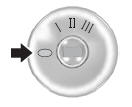
- Turn the key to position 0.
Vehicles With Push Button Start
- Shift into park (P).
- Apply the parking brake.
- Wait until the engine reaches idle
speed.
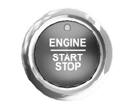
- Press the push button ignition switch.
Stopping the Engine When Your Vehicle is Moving
WARNING: Switching off the engine when your vehicle is still moving results in a significant decrease in braking assistance. Higher effort is required to apply the brakes and to stop your vehicle. A significant decrease in steering assistance could also occur. The steering does not lock, but higher effort could be required to steer your vehicle. When you switch the ignition off, some electrical circuits, for example airbags, also turn off. If you unintentionally switch the ignition off, shift into neutral (N) and restart the engine.
Vehicles Without Push Button Start
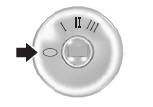
- Turn the key to position 0.
- Shift into neutral and use the brakes to bring your vehicle to a safe stop.
- Shift into park (P).
- Apply the parking brake.
Vehicles With Push Button Start
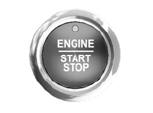
- Press and hold the push button ignition switch until the engine stops, or press it three times within two seconds.
- Shift into neutral and use the brakes to bring your vehicle to a safe stop.
- Shift into park (P).
- Apply the parking brake.
 Engine Block Heater
(If Equipped)
Engine Block Heater Precautions
WARNING: Failure to follow engine
block heater instructions could result in
property damage or serious personal
injury...
 Automatic Engine Stop
What Is Automatic Engine Stop
Automatic engine stop is a feature that
switches the engine off if it has been idling
for an extended period to help you save
fuel...
Other information:
Ford Escape 2020-2026 Service Manual: Specifications
General Specifications Item Specification 1.5L EcoBoost Vehicles Rating 180 amps Generator amps at 80.6°F (27°C) 70 amps at 750 rpm (min) to 172 amps at 2,500 rpm (max) Generator pulley ratio 2...
Ford Escape 2020-2026 Service Manual: General Procedures - Ride Height Measurement
Special Tool(s) / General Equipment Surface Gauge Check NOTE: Make sure that the vehicle is positioned on a flat, level surface and the tires are inflated to the correct pressure. Vehicle should have a full tank of fuel. Before measuring ride height check: Tires are inflated to the correct pressure...
Categories
- Manuals Home
- 4th Generation Ford Escape Owners Manual
- 4th Generation Ford Escape Service Manual
- Switching the Rear Window Wiper On and Off. Reverse Wipe
- Adjusting the Headlamps
- General Procedures - Transmission Fluid Level Check
- New on site
- Most important about car
Engine Oil
Engine Oil Dipstick Overview

